

When a business grows, what does that growth create? More customers? More revenue? A larger team? New markets? These are all important signs of progress. But as a growth-oriented entrepreneur, there is another question worth asking: As your business grows, are the jobs you create getting better too?
At BPN Rwanda, we encourage you to look beyond the number of people you employ and consider the quality of the opportunities your business creates.
Creating a job matters, but improving a job goes further. A dignified and fulfilling job is reliable, safe, fair and respectful. It gives your employees opportunities to learn, contribute, grow and find a sense of purpose in their work. And the good news is that improving jobs does not always require a large investment.
Think about the everyday decisions you make as a business owner. Are you paying your employees consistently? Do they have safe working conditions and clear responsibilities? Do you listen to their ideas, recognize good performance and give them opportunities to develop new skills? These may seem like small decisions, but they can make a meaningful difference in how your employees experience their work. When people feel respected, supported and valued, they are better positioned to contribute to your business’s success.
Another important aspect worth considering is inclusion: who gets the opportunity to be part of your business as it grows? Beyond improving conditions for your existing employees, it is equally important to reflect on whether you are giving capable people a fair chance to join your team.
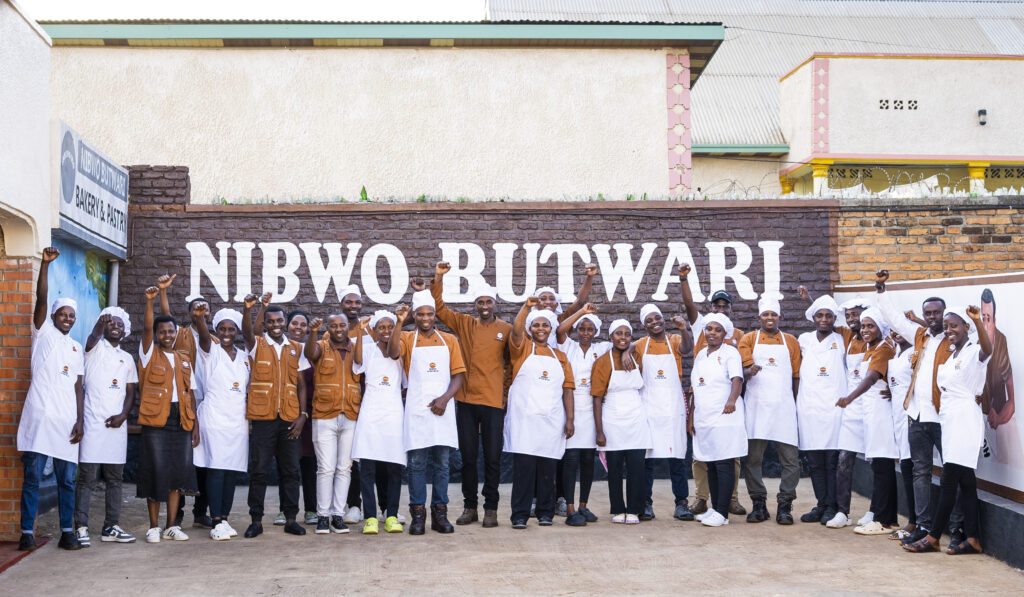
Think about how you recruit. Could your business be overlooking capable people without realizing it? Perhaps a qualified young woman never sees your vacancy, a person with a disability could perform the role if your recruitment process were more accessible, or a refugee’s experience is overlooked because of assumptions. It could also be a talented young person in a rural community who never hears about the opportunity. Sometimes, exclusion begins long before an interview. It can come down to where you advertise a vacancy, the language you use, who hears about it, or assumptions about who can do a particular job.
“Inclusion does not mean lowering standards. It means widening access to capable people and creating the conditions for them to contribute.”
Many of these are not just decisions about people. They are business decisions. By widening access to opportunities and investing in your employees, you can attract talent, strengthen your team and build a business that is better prepared for growth.
Your decisions also contribute to something bigger. Under Rwanda’s Second National Strategy for Transformation (NST2), the country aims to create 1.25 million productive and decent jobs by 2029. While this is a national ambition, its success depends in part on decisions made in businesses like yours: whom you recruit, how you treat your employees, the skills you help them develop and the opportunities you create as your business grows.
So, what can you do differently in your business?
Start by asking yourself four practical questions:
- Am I reaching qualified women, youth, refugees and persons with disabilities when recruiting?
- Are my employees paid on time and working in safe, fair conditions?
- Which employee could I train, promote or give greater responsibility?
- What is one thing I could change this month to make my employees’ work better?
Growth with impact does not have to begin with a complicated strategy or a major investment. It can begin with one intentional decision about the people who help your business succeed.
Scan the QR code to hear from an entrepreneur whose story shows what it can look like when business growth creates better opportunities for people.